Have you ever tried to break a habit or start a new routine using sheer willpower, only to find yourself back at square one a few weeks later? You aren’t alone. Most of our daily choices, reactions, and emotional patterns are driven by subconscious programming running silently in the background.
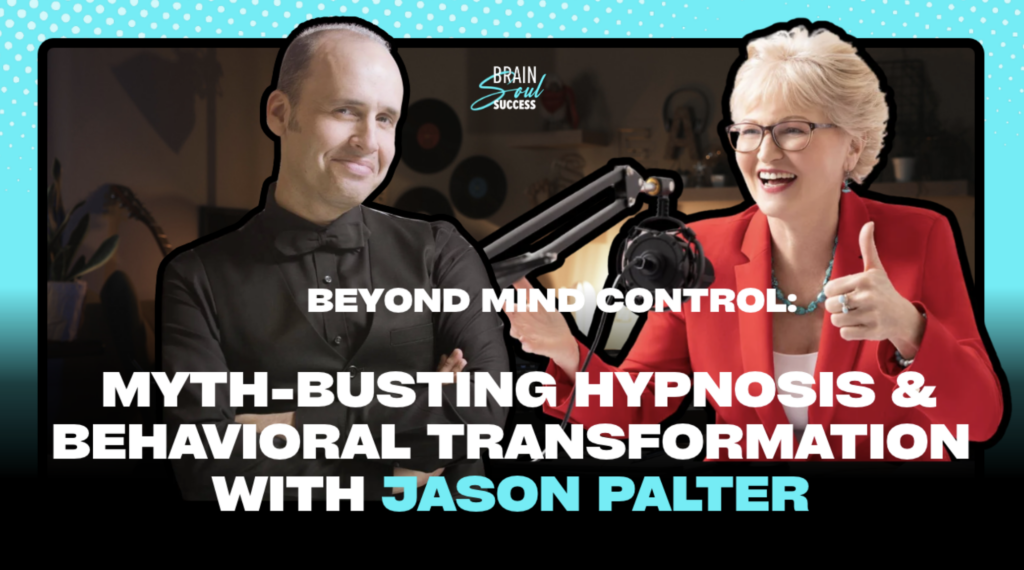
In our latest podcast episode, we sat down with Jason Palter, CH, Owner and Founder of the Greater Toronto Hypnosis Centre, to discuss how practical, professional hypnosis can help individuals align their subconscious mind with their conscious goals.
Dispelling the Myths: What Hypnosis Really Is
When most people hear the word “hypnosis,” they picture a magician swinging a pocket watch or making volunteers quack like ducks on a stage. As Jason explains, clinical and professional hypnosis couldn’t be further from these theatrical performance tropes.
“Hypnosis is not about losing control—it’s about gaining control over the automatic scripts that govern your daily life.”
In reality, hypnosis is a natural, comfortable state of focused awareness—similar to the feeling you get when you’re completely absorbed in a good book or driving on autopilot down a familiar highway. In this relaxed state, your critical conscious mind steps aside slightly, making your subconscious open to positive, goal-oriented suggestions.
Why Willpower Isn’t Always Enough
The conscious mind is responsible for logic, reasoning, and short-term decisions. However, the subconscious mind acts as your mental hard drive, storing habits, memories, emotional triggers, and core beliefs.
When your conscious desire (e.g., “I want to stop smoking” or “I want to feel confident speaking in public”) conflicts with a subconscious belief (e.g., “Smoking relaxes me” or “Speaking publicly is dangerous”), the subconscious mind almost always wins.
By utilizing Hypnosis, Neuro-Linguistic Programming (NLP), and targeted Life Coaching, professionals like Jason help reframe these underlying associations so that your subconscious actively supports your goals rather than sabotaging them.
Key Areas Where Hypnosis Drives Results
During our conversation, Jason highlighted several core areas where clients experience significant breakthroughs:
- Stress and Anxiety Relief: Calming hyper-vigilant neural pathways and cultivating deep physical relaxation.
- Habit Cessation: Helping clients permanently step away from smoking, overeating, or nail-biting.
- Performance Enhancement: Overcoming stage fright, athletic blocks, or corporate presentation anxiety.
- Building Unshakable Confidence: Eliminating imposter syndrome and ingrained self-doubt.
- Managing Sensitive Challenges: Addressing psychogenic issues such as performance anxiety and sexual dysfunction in a safe, non-judgmental environment.
Virtual Hypnosis: Does It Work?
One of the biggest shifts in modern hypnotherapy is accessibility. Thanks to high-speed video communication, clients no longer need to be local to Toronto to work with Jason. Virtual sessions allow clients to experience guided hypnosis from the comfort and privacy of their own homes—often leading to even deeper states of relaxation.
Ready to Take the Next Step?
Listen to the full episode here:
Practical Hypnosis for Lasting Behavioral Change with Jason Palter
- Listen on Apple Podcasts
- Listen on Spotify
- Listen on Podbean
- Watch on YouTube
Connect with Jason Palter Here:
If you’re ready to explore what becomes possible when you change the patterns operating beneath the surface, Jason Palter and the team at the Greater Toronto Hypnosis Centre offer a Free Screening Consultation to evaluate your goals and determine if hypnosis is the right fit for you.
Book your free screening: Visit www.greatertorontohypnosis.com or call 1-888-637-3884.
Connect with Louise:
- Website: https://louiseswartswalter.com, Instagram: @drlouiseswartswalter, YouTube: youtube.com/c/LouiseSwartswalter, Facebook Group: Successful Heart-Centered Entrepreneurs
- Louise’s Free Gift of Mind Gems: https://louiseswartswalter.com/mind-gems/
- Louise’s Free Brain Soul Assessment: https://louiseswartswalter.com/brain-soul-assessment/
Follow your heart, but take your brain with you.
If this episode resonated with you, please consider sharing it with a friend or leaving a review. It helps others find the show—and it helps us bring more powerful conversations to light.